Why Sleep Matters for Teenagers: Understanding Melatonin, Conflict, and the Teenage Brain
As it’s World Sleep Day today, it’s a good moment to reflect on the vital role sleep plays in our wellbeing, especially for teenagers.
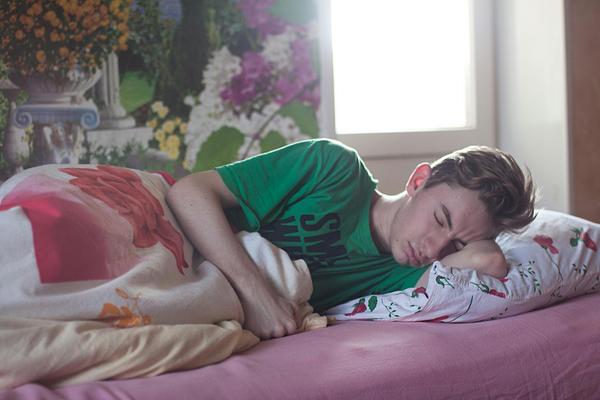
Teenagers often struggle with sleep, but this isn’t laziness: it’s biology. In this guide, we explain why teenage sleep patterns shift, how melatonin affects bedtime, and why tiredness can lead to conflict at home. While it’s easy to dismiss young people as ‘lazy’ for staying up late and sleeping in, the science tells a very different story. Adolescent brains undergo major changes that affect not only emotions and behaviour but also hormones, including those linked to sleep.
Why do Teenagers Sleep Late?
During adolescence, the brain is busy ‘remodelling’, particularly within the limbic system – the part that processes emotions – while the prefrontal cortex responsible for reasoning and self-regulation develops more gradually. This imbalance contributes to heightened emotional responses, a greater sensitivity to stress, and an increased likelihood of conflict at home.
Many typical teenage behaviours, such as moodiness, risk-taking, and notably, sleeping late, can be linked to neurochemical changes. Teenagers are especially sensitive to these chemical shifts, which shape how they respond to their environment and relationships.
How Does Melatonin Affect Teenage Sleep?
One of the most significant neurochemicals involved in the sleep–wake cycle is melatonin, described by our Cranial Cocktail resource as ‘the Brain’s Marvellous Sleep Drug’. Melatonin is a hormone that signals the brain it is time to sleep. The release of melatonin naturally occurs later in teenagers compared with adults.
During adolescence, melatonin release shifts by 1 to 3 hours, making teenagers naturally inclined to fall asleep later.This means that even if a teenager wants to go to bed earlier, their brain simply isn’t releasing the melatonin needed to trigger tiredness at the same time it does in adults. As a result, teens are biologically primed to stay awake later at night and sleep later in the morning.
So, when young people struggle to get out of bed, it’s not a character flaw; it’s neuroscience in action.
Does Poor Sleep Increase Family Conflict?
Emotional regulation is harder for teenagers due to brain development and hormone changes during adolescence. Poor sleep can amplify stress responses and heighten emotional intensity, making disagreements at home more frequent or more explosive.
When the ‘emotional homunculus’ – a concept we use to explain how our inner emotional systems drive behaviour – is out of balance, neurochemicals can make it harder for young people to cope. Lack of sleep only intensifies this imbalance, reducing a teenager’s resilience and increasing the likelihood of conflict.
Why Understanding Sleep Helps Us Support Teenagers
Recognising that sleep patterns in teenagers are driven by biology rather than choice is key to reducing conflict. When families understand that late nights and late mornings are guided by melatonin release, it becomes easier to respond with empathy rather than frustration.
Improving sleep isn’t just about better rest; it’s about improving relationships, emotional regulation, and wellbeing. By grounding our understanding in science, we can support young people through one of the most transformative periods of their lives.
This World Sleep Day, take a moment to explore SCCR’s resources and deepen your understanding of the teenage brain. Open a conversation at home, in school, or within your community about the importance of sleep for young people – and how biology, not laziness, shapes their rhythms.